

Tin foil hats are a well-known icon of paranoia and conspiracy theories. Wearing a tin foil helmet, some individuals believe, will keep the federal government from influencing their minds.
Aluminum foil, which is recognized to resist electromagnetic radiation, can be used to make these hats. Because of this, some conspiracy theorists declare that wearing tin foil hats would protect them against chemtrails, mind control, and extraterrestrial abduction.
Paranoia
Paranoia is really a mental health disease characterized by an excessive feeling of distrust. A variety of reasons may donate to it, including heredity, trauma, suppressed emotions, and a history of abuse. It is also a possible adverse effect of some medicines, such as anti-anxiety pills or antipsychotics. Paranoid people could have difficulty trusting a health care provider or psychiatrist and may resist getting help. They may even resist or be hesitant to take medicine. Psychotherapy, cognitive behavioral therapy, and group therapy are all treatments for paranoia.
Many conspiracy theorists wear tin foil hats to shield themselves against government mind control, chemtrails, alien abduction, along with other paranormal dangers. They believe that using tin foil protects their thoughts from radiofrequency (RF) and electromagnetic fields (EMF) that may cause illnesses including cancer, dementia, and Alzheimer's disease.
https://fnote.me/notes/B9SbTc do not recognize that they will have a problem and think that their anxieties are reasonable. tinfoil hat is critical to express your support and urge them to get expert assistance. However, you ought not inform them they are hallucinating or are out of touch, since this might heighten their worry and mistrust. Instead, attempt to comfort them by offering to accompany them to their doctor's office or calling the SANE line.
tinfoil hat of conspiracies
Wearing a hat wrapped with aluminum foil is said to shield electromagnetic radiation and prevent the government from brainwashing and mind reading individuals. This idea is based on the idea that electromagnetic fields and radio waves could be stopped by way of a conducting enclosure, comparable to the Faraday cage effect. This notion, alternatively, is mostly the consequence of pseudoscience and isn't founded on solid scientific data.
Conspiracy theories are a sort of epistemic need where people think that key events were orchestrated by someone. They are more common at times of uncertainty so when evidence-based explanations are deemed inadequate (Douglas et al., 2019). Individuals who believe in conspiracies may also be more inclined to oppose government measures aimed at increasing vaccination rates or protecting personal privacy (Jolley & Douglas, 2017).
A lot of people, particularly those linked to the "truth movement," have begun to wear tin foil hats in order to prevent what they see to be negative consequences of contemporary technology. This habit is due to a notion that electromagnetic fields and radio waves may cause health issues such as for example cancer and a variety of other maladies. Using situations, these folks employed various electrical gadgets to detect invisible radiation. Tin foil is effective in blocking some electromagnetic signals, though it is not as effectual as other materials.
EHS means electromagnetic hypersensitivity.

Even though many individuals who wear tin foil hats are paranoid and believe in conspiracy theories, others have problems with electromagnetic hypersensitivity (EHS). Headaches, bodily discomfort, weariness, tingling in the hands or feet, tinnitus, nausea, a burning feeling, and heart palpitation are all signs of this condition. Despite the scientific community's dismissal of the ailment as psychosomatic, EHS patients have found rest from their symptoms via a amount of therapeutic techniques.
EHS patients often utilize copper wire shielding to protect themselves from radiofrequency radiation (RFR) so as to treat their symptoms. In addition they claim to avoid RFR-emitting gadgets such as for example mobile phones, Wi-Fi routers, TVs, and electric appliances. Some even avoid venturing out, residing in hotels, or visiting friends and relatives whose houses are overrun with technological devices.
While mainstream science has generally rejected this disorder, certain investigations have revealed that EHS patients experience unfavorable physical symptoms in reaction to particular environmental stimuli. Due to this fact, scientists must develop more specific tests to identify EHS symptoms and decrease exposure to environmental elements which could induce them. Furthermore, it is important that those suffering with EHS obtain competent medical assistance.
tinfoil hats of the Illuminati
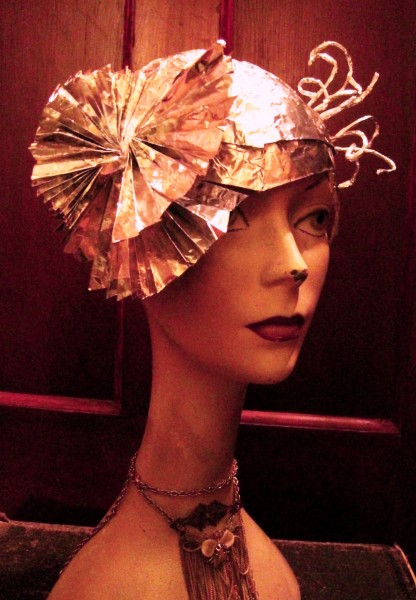
Probably the most popular paranoid illusions in contemporary times is the Illuminati conspiracy hypothesis. This secret club is thought to rule the globe and have influence over governments and celebrities. Some believe the Illuminati is responsible for from global warming to the NSA eavesdropping scandal. Conspiracy theories have an extended history. It became popular during the counterculture movement in the 1960s. It has inspired novels, films, and television series.
The genuine Illuminati was made in 1776 by way of a disillusioned Bavarian Jesuit called Adam Weishaupt, but its objective is unknown. Weishaupt argued that the church and royalty stifled free thinking. The organisation was ultimately repressed and disbanded.
Many individuals nowadays think that the Illuminati still exists. Government figures and celebrities tend to be mentioned as members of the gang by those who accept this hypothesis. In addition they think the eye-in-a-triangle emblem on the reverse folks currency can be an Illuminati sign. They think that the occult is disguised in various places, including contemporary building construction and monetary design.
Tin foil hat wearers say that the hats shield them from the impacts of electromagnetic fields and radiation. In addition they say that wearing the caps protects their brains against mind control and mind reading. Since there is no scientific foundation for the tin foil hat idea, it has become a clich� and a byword for paranoia and belief in conspiracy theories.